

Patient Education
Why Do Teeth Become Sensitive? Causes, Treatment, and Prevention
Tooth sensitivity is a common dental problem. Learn why teeth become sensitive, common causes like enamel erosion and gum recession, and how to manage and prevent discomfort.
Introduction
Tooth sensitivity is a common dental problem that affects people of all ages. It often causes a sharp, temporary pain when eating or drinking something hot, cold, sweet, or acidic. Some people may even experience discomfort when breathing in cold air.
Although tooth sensitivity may seem like a minor inconvenience, it can interfere with your daily life and may indicate an underlying dental problem that requires attention. Ignoring the symptoms can allow the condition to worsen over time.
Understanding the causes of tooth sensitivity is the first step toward finding the right treatment and preventing future discomfort. With proper dental care and timely intervention, most cases of tooth sensitivity can be effectively managed.
What Causes Tooth Sensitivity?
To understand why teeth become sensitive, it helps to know a little about tooth structure. The outermost layer of each tooth is called enamel, the hardest substance in the human body. Its primary role is to protect the inner layers of the tooth from damage caused by chewing, temperature changes, and bacteria.
Beneath the enamel lies dentin, which contains thousands of microscopic channels called dentinal tubules. These tiny tubules communicate with the pulp, which contains the tooth's nerves.
When enamel wears away or the gums recede, the dentin becomes exposed. As a result, hot, cold, sweet, or acidic foods and drinks can stimulate the nerves inside the tooth, causing the sharp pain commonly associated with tooth sensitivity.
In most cases, tooth sensitivity develops gradually due to enamel erosion, gum recession, tooth decay, or other dental conditions. Identifying the underlying cause is essential for choosing the most effective treatment.
Common Causes of Tooth Sensitivity
1. Enamel Erosion: Enamel is the tooth's natural protective shield. Although it is incredibly strong, it cannot regenerate once it has been lost. Frequent exposure to acidic foods and beverages can gradually wear away this protective layer. Common causes include citrus fruits, carbonated soft drinks, sports and energy drinks, vinegar-based foods, wine, and frequently consuming acidic snacks. As enamel becomes thinner, the dentin underneath becomes exposed, increasing sensitivity.
2. Brushing Too Hard: Many people believe that brushing harder cleans their teeth more effectively. Brushing with excessive force or using a hard-bristled toothbrush can contribute to gum recession and tooth wear around the root and gumline area, which may expose dentin and increase sensitivity. Over time, aggressive brushing may lead to gum recession, exposing the tooth roots. Since the roots are not protected by enamel, they are far more sensitive to temperature changes and certain foods.
3. Gum Recession: Healthy gum tissue normally covers and protects the root surfaces of the teeth. When the gums begin to recede due to periodontal disease, aggressive brushing, or aging, the roots become exposed. Unlike the crown of the tooth, the root surface does not have a protective enamel layer. As a result, exposed roots are highly sensitive to hot, cold, sweet, and acidic foods.
4. Teeth Grinding (Bruxism): Teeth grinding, also known as bruxism, often occurs during sleep or periods of stress. Many people are unaware they grind their teeth until symptoms such as jaw pain, headaches, or tooth sensitivity begin to appear. Grinding or clenching can contribute to tooth wear, cracks, and other changes that may lead to sensitivity. Bruxism can also contribute to jaw pain and temporomandibular joint (TMJ) disorders. If you suspect you grind your teeth, your dentist may recommend a custom night guard to protect your teeth while you sleep.
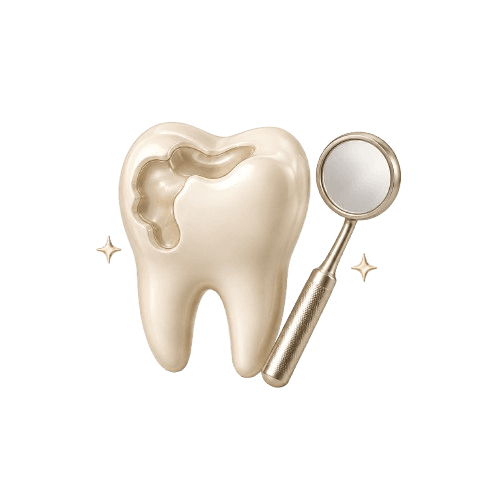
5. Tooth Decay and Cavities: Cavities are another common cause of tooth sensitivity. As tooth decay progresses, it creates small openings in the enamel that allow external stimuli to reach the sensitive inner layers of the tooth. You may notice discomfort when eating sweets, drinking cold beverages, or consuming hot foods. Sensitivity associated with cavities should never be ignored, as untreated decay can progress to infection and require root canal therapy.
How to Manage Tooth Sensitivity
Managing tooth sensitivity usually involves a combination of good oral hygiene habits, lifestyle changes, and professional dental care. The right treatment depends on the underlying cause, so it's important to consult your dentist if the sensitivity persists or worsens.
Use a Desensitizing Toothpaste: Desensitizing toothpaste is specially formulated to reduce tooth sensitivity by blocking the tiny dentinal tubules or calming the nerve inside the tooth. While these products do not provide instant relief, consistent use over several weeks can significantly reduce discomfort.
Brush Gently with a Soft-Bristled Toothbrush: Brushing too aggressively can wear away enamel and damage the gums, making tooth sensitivity worse. Instead, use a soft-bristled toothbrush and brush gently using small circular motions. Replacing your toothbrush every three to four months also helps maintain effective oral hygiene.
Limit Acidic Foods and Drinks
Frequent consumption of acidic foods and beverages can gradually erode tooth enamel, increasing sensitivity. To help protect your teeth: reduce your intake of soft drinks, citrus fruits, sports drinks, and vinegar-based foods; rinse your mouth with water after consuming acidic foods or drinks; and wait at least 30 minutes before brushing your teeth after eating acidic foods, allowing the enamel time to remineralize.
Strengthen Enamel with Fluoride
Fluoride plays an important role in protecting your teeth by strengthening enamel and promoting remineralization of weakened areas. During routine dental visits, your dentist may recommend professional fluoride treatments or fluoride varnish to help reduce tooth sensitivity and lower the risk of cavities.
Maintain Healthy Gums
Healthy gums protect the roots of your teeth and reduce the risk of tooth sensitivity. To keep your gums healthy: brush gently twice a day; floss daily; attend regular dental check-ups and cleanings; and seek treatment promptly if you notice bleeding gums or gum recession.
Professional Dental Treatments
If home care alone is not enough, your dentist may recommend: dental fillings to treat cavities; dental bonding to cover exposed dentin; fluoride varnish applications; desensitizing agents; gum grafting for severe gum recession; or root canal treatment when sensitivity is caused by irreversible inflammation or infection of the dental nerve tissue.
How to Prevent Tooth Sensitivity
Prevention is always better than treatment. Adopting healthy daily habits can greatly reduce your risk of developing tooth sensitivity. Follow these preventive tips: brush twice daily using fluoride toothpaste; use a soft-bristled toothbrush; floss every day; limit sugary and acidic foods; wear a custom night guard if you grind your teeth; avoid brushing immediately after consuming acidic foods; and visit your dentist at the recommended interval for routine examinations and cleanings.
Conclusion
Tooth sensitivity is a common dental concern, but it is usually treatable when the underlying cause is identified early. Maintaining good oral hygiene, protecting your enamel, eating a tooth-friendly diet, and attending regular dental check-ups are the best ways to prevent and manage sensitivity.
If your teeth remain sensitive despite using desensitizing toothpaste or changing your oral care routine, schedule an appointment with your dentist. Early diagnosis and appropriate treatment can relieve discomfort, preserve your oral health, and help you enjoy eating and drinking without pain.
FAQ
Common Questions
Tooth sensitivity commonly occurs when dentin becomes exposed due to enamel wear, gum recession, tooth decay, cracks, or other dental conditions. Because dentin contains microscopic tubules that communicate with the nerve of the tooth, hot, cold, sweet, or acidic substances can trigger sensitivity.
Yes. Aggressive brushing can contribute to gum recession and tooth wear, exposing sensitive root surfaces or dentin. Using a soft-bristled toothbrush or electric toothbrush and gentle brushing technique can help reduce this risk.
Yes. Tooth decay can expose or irritate the deeper layers of a tooth and may cause sensitivity to cold, sweets, or temperature changes. New or persistent sensitivity should be evaluated by a dentist.
Yes. Grinding or clenching can contribute to tooth wear, cracks, and stress on the teeth, which may result in sensitivity. Many people are unaware that they grind or clench their teeth, particularly during their sleep.
At Canvas Dental Care, our dental professionals are specifically trained to evaluate clenching and grinding habits to design and recommend customized oral appliances, including nightguards and sleep apnea appliances. When appropriate, treatment may also include BOTOX® therapy for the masseter and other involved muscles to help reduce excessive muscle activity, protect the teeth from wear, and improve comfort.
Canvas Dental Care
At Canvas Dental Care in Foothill Ranch, we emphasize preventive care to protect both your oral and overall health. Regular dental examinations and professional cleanings can help detect gum disease and other concerns early, before they become more serious.
Call or text (949) 581-4908 to schedule an appointment with Dr. Soha Haghani or Dr. Hamed Bozorgmanesh, and take the next step toward a healthier smile and improved overall wellness.