
Oral Health
Early Symptoms of Gum Disease You Should Never Ignore
Gum disease often develops quietly. Learn the early warning signs, from bleeding gums and bad breath to recession and loose teeth, and when to seek care.
Introduction
Many people only pay attention to their oral health when they experience pain or notice visible dental problems. However, gum disease often develops silently, with mild symptoms that are easy to overlook. By the time discomfort becomes noticeable, the condition may have already progressed and require more extensive treatment.
Gum disease, also known as periodontal disease, is one of the most common oral health conditions affecting adults. It begins with inflammation of the gums and, if left untreated, can damage the tissues and bone that support your teeth. In severe cases, it may even lead to tooth loss.
The earliest stage of gum disease is gingivitis, which is usually caused by plaque, a sticky film of bacteria that builds up on the teeth and along the gumline. If plaque is not removed through proper brushing and flossing, it hardens into tartar (calculus), which can only be removed through professional dental cleaning. As tartar accumulates, bacteria continue to irritate the gums, allowing the infection to progress.
Beyond affecting your oral health, untreated gum disease has been linked to several systemic health conditions, including heart disease, diabetes, and respiratory infections. Recognizing the early warning signs and seeking prompt treatment can help prevent permanent damage to your teeth and gums.
What Causes Gum Disease?
Gum disease develops when plaque and harmful bacteria accumulate around the gumline. Poor oral hygiene allows these bacteria to multiply, causing inflammation, bleeding, and infection. If the condition is not treated early, it can progress from gingivitis to periodontitis, a more advanced stage that damages the supporting bone and connective tissues.
Several factors can increase your risk of developing gum disease. These include poor oral hygiene habits, smoking or using tobacco products, diabetes, hormonal changes during pregnancy, puberty, or menopause, chronic stress, certain medications that reduce saliva production, genetic predisposition, and underlying medical conditions that affect the immune system.
Even individuals who brush regularly can develop gum disease if plaque is not removed effectively or if early symptoms are ignored. Routine dental check-ups are essential for identifying gum disease before it becomes severe.
Bleeding Gums After Brushing or Flossing
Healthy gums should not bleed during normal brushing or flossing. Occasional bleeding may occur if you have recently started flossing, but persistent bleeding is often one of the earliest signs of gum disease.
Inflamed gums become more sensitive because bacteria accumulate along the gumline. If your gums bleed frequently while brushing, flossing, or eating hard foods, it is important to schedule a dental examination. Early treatment can often reverse gingivitis before it progresses into advanced periodontal disease.
Red, Swollen, or Tender Gums
Healthy gums are firm and do not bleed easily. When gum disease develops, the gums often become red, swollen, and tender, and may feel painful when brushing or chewing.
These symptoms occur because your body's immune system is responding to bacterial infection. Persistent inflammation should never be ignored, as it may indicate the early stages of gum disease. Prompt professional care can reduce inflammation and prevent further damage to the gums.
Persistent Bad Breath (Halitosis)
Bad breath that continues despite regular brushing, flossing, and mouthwash may indicate an underlying oral health problem. One of the most common causes is the accumulation of plaque and bacteria beneath the gumline.
As bacteria multiply, they release unpleasant-smelling compounds that contribute to chronic bad breath, also known as halitosis. If bad breath persists even after maintaining good oral hygiene, it is advisable to consult your dentist to rule out gum disease or other dental conditions.
Receding Gums
Gum recession occurs when the gum tissue gradually pulls away from the teeth, exposing more of the tooth surface or even the roots. This can make teeth appear longer than usual and often results in increased sensitivity to hot, cold, or sweet foods.
Although aggressive brushing can contribute to gum recession, it is also a common sign of progressing periodontal disease. As the gums recede, harmful bacteria can reach deeper tissues, increasing the risk of bone loss and tooth instability.
If you notice your gums shrinking or your teeth appearing longer, schedule a dental examination as soon as possible.
Increased Tooth Sensitivity
Sudden tooth sensitivity is often associated with worn enamel or cavities, but it can also be an early warning sign of gum disease. As the gums recede, the tooth roots become exposed. Unlike the crown of the tooth, the roots are not protected by enamel, making them more sensitive to temperature changes, sweet foods, and acidic drinks.
If you experience persistent sensitivity without an obvious cause, it is important to visit your dentist for a comprehensive examination. Early diagnosis allows the underlying problem to be treated before it develops into more serious periodontal disease.
Loose Teeth or Changes in Your Bite
Healthy teeth should remain firmly anchored in the jawbone. If you notice that one or more teeth feel loose, or your bite no longer feels the same, it could be a sign that gum disease has progressed to an advanced stage.
As periodontal disease worsens, the infection gradually destroys the bone and connective tissues that support your teeth. This loss of support can cause teeth to shift, become loose, or affect the way your upper and lower teeth fit together when you bite.
These symptoms should never be ignored. Prompt dental treatment can help slow the progression of the disease and preserve your natural teeth.
Pus Between the Teeth and Gums
The presence of pus around the gums is a clear sign of an active bacterial infection. You may notice a small discharge between the teeth and gums or experience a persistent unpleasant taste in your mouth.
Pus indicates that your body is fighting an infection that requires immediate professional attention. If left untreated, the infection may spread to surrounding tissues and lead to serious oral health complications.
If you notice pus, swelling, or severe gum pain, contact your dentist as soon as possible for an evaluation and appropriate treatment.
Why Early Diagnosis of Gum Disease Matters
Detecting gum disease in its early stages is the key to preventing permanent damage. When diagnosed early, gingivitis can usually be treated successfully with professional dental cleaning and improved oral hygiene practices.
However, if gum disease progresses to periodontitis, treatment becomes more complex. It may include professional scaling and root planing (deep cleaning), periodontal pocket therapy, laser periodontal therapy, antibiotic and antibacterial treatment, surgical procedures in advanced cases, and tooth extraction when a tooth cannot be saved.
Early diagnosis not only protects your oral health but also supports your overall well-being. Research has shown that chronic gum disease is associated with several systemic health conditions, including cardiovascular disease, diabetes, respiratory infections, and adverse pregnancy outcomes. Reducing gum inflammation may contribute to better overall health.
Benefits of Early Treatment
Seeking treatment at the first sign of gum disease offers several important benefits. It helps prevent tooth and bone loss, reduces gum inflammation and bleeding, and lowers harmful bacterial buildup along and below the gumline.
Early treatment can also improve breath and overall oral comfort, preserve healthy gums and supporting tissues, reduce the likelihood of expensive restorative treatments later on, and support long-term oral and general health.
How Gum Disease Is Diagnosed
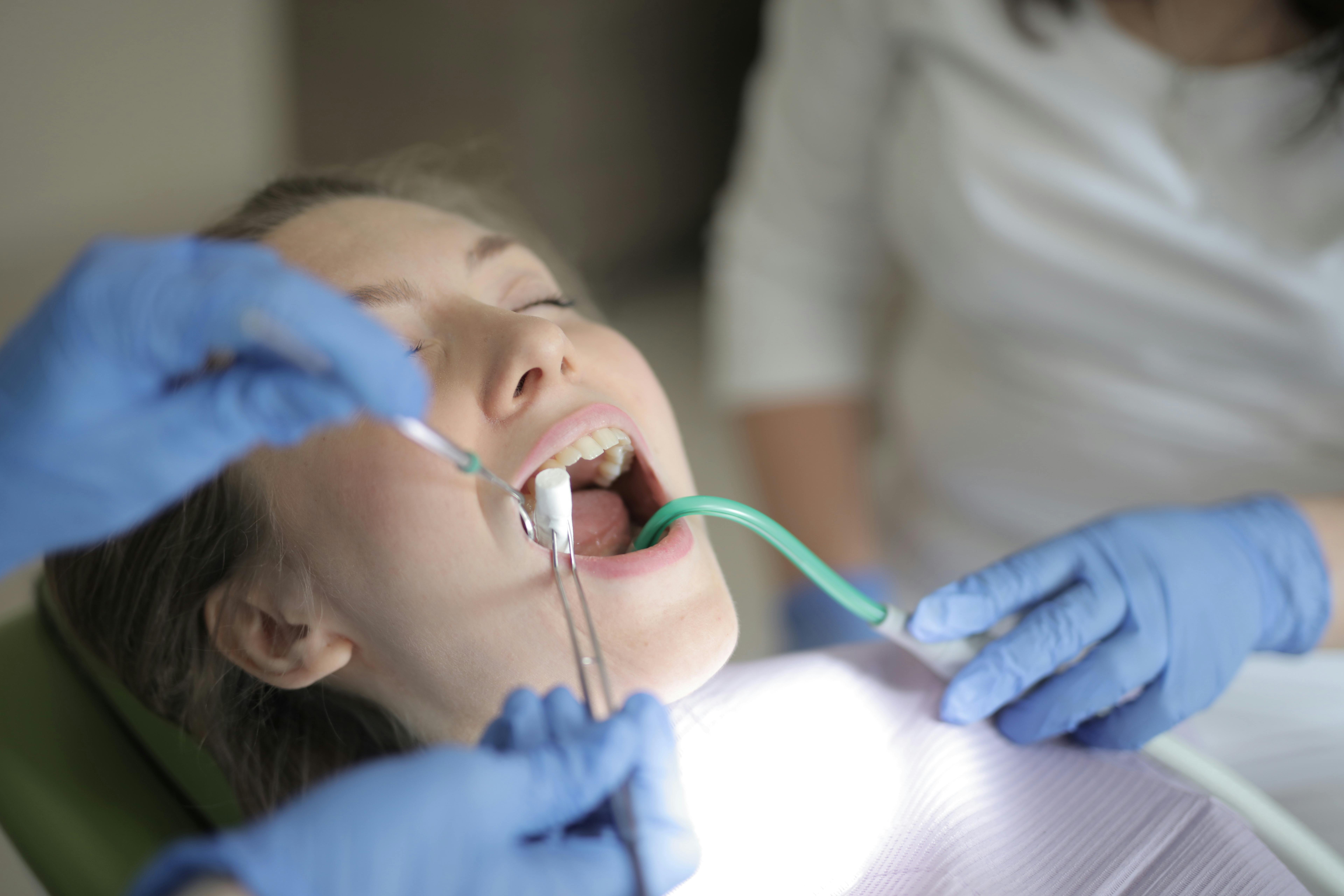
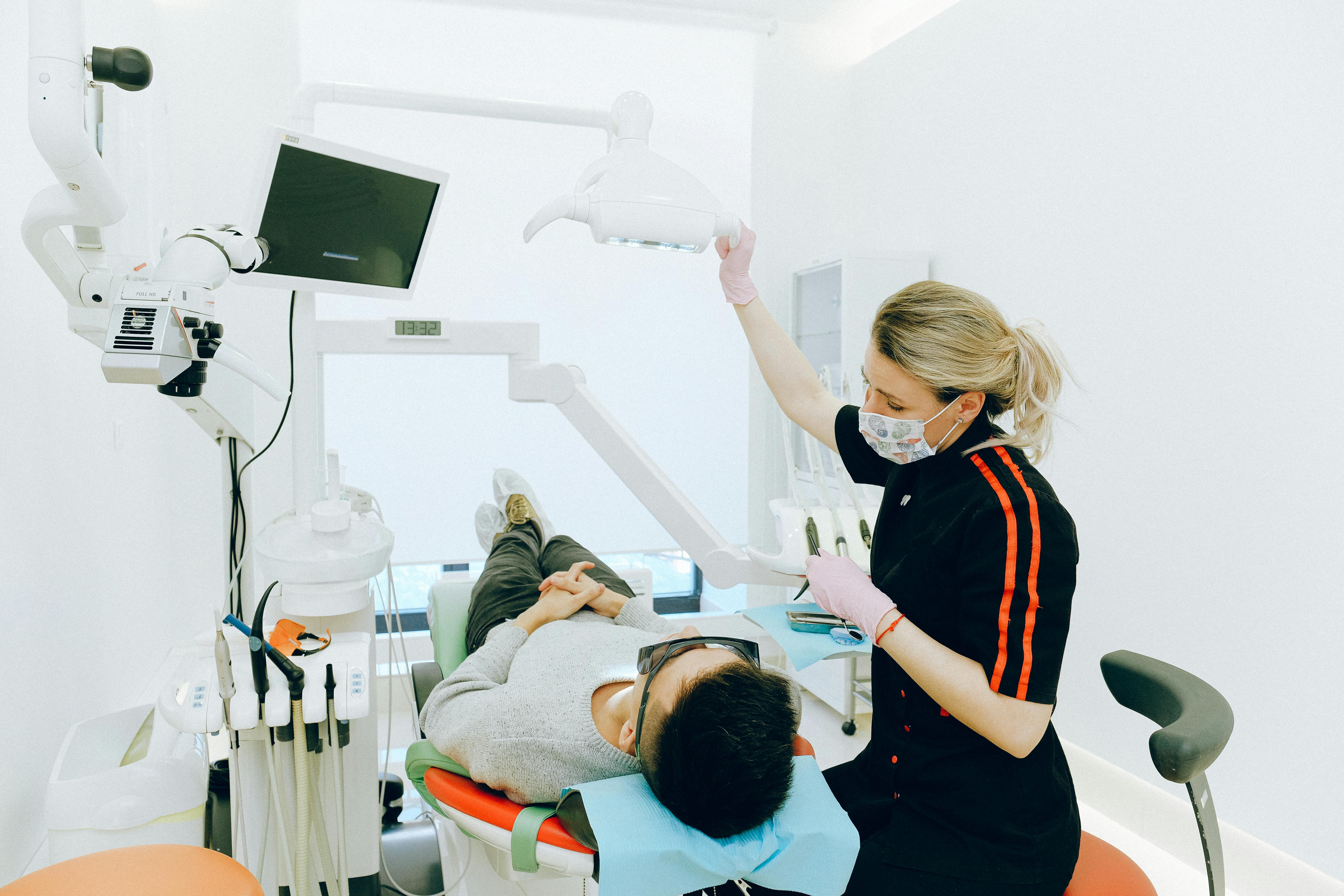
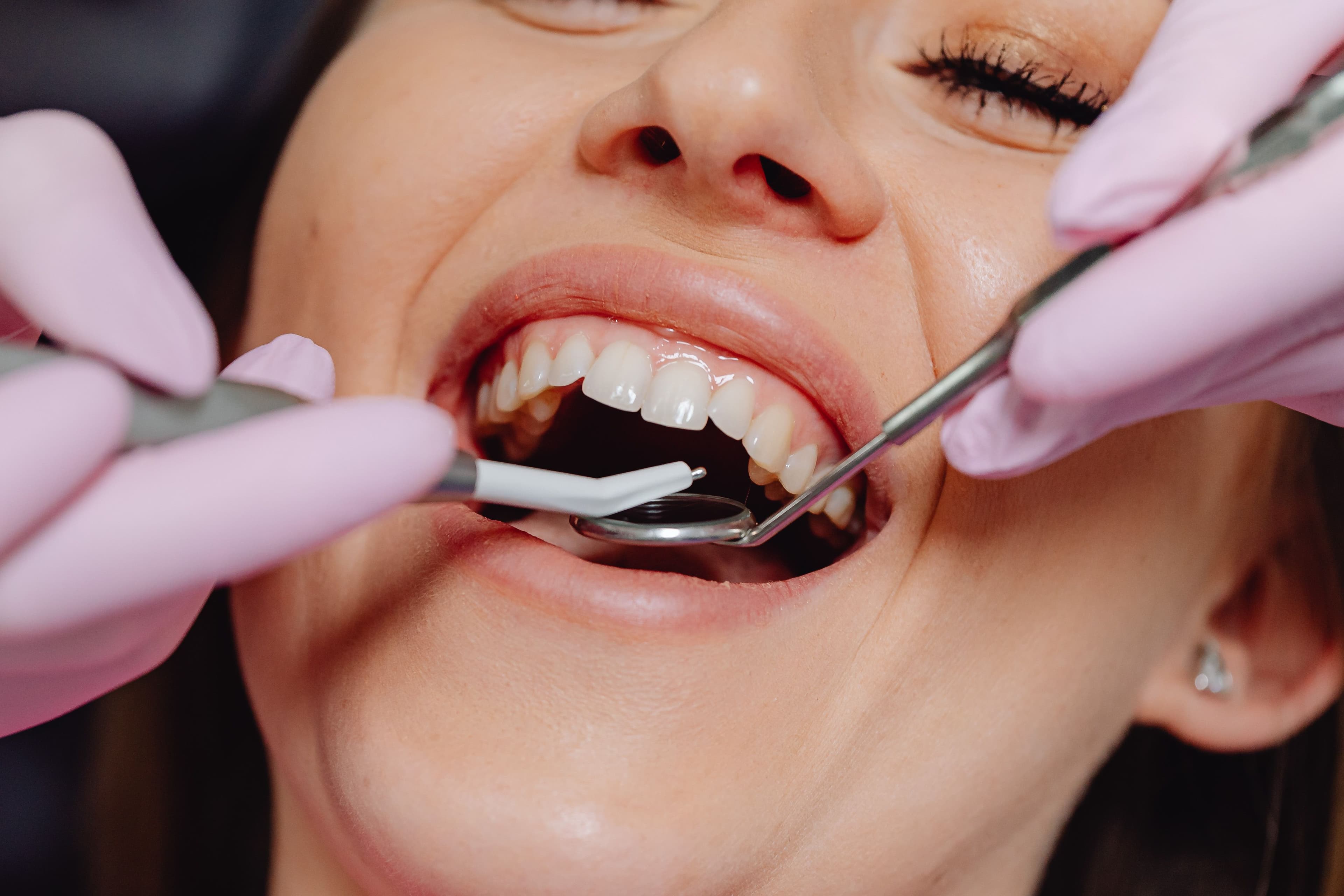
Your dentist can often detect the early signs of gum disease during a routine dental examination. Diagnosis typically includes a thorough assessment of your gums, teeth, and supporting structures.
During your appointment, your dentist may examine the gums for redness, swelling, and bleeding, measure the depth of the periodontal pockets around each tooth with a small probe, check for gum recession and tooth mobility, assess plaque and tartar buildup along and below the gumline, and review your medical history, medications, and risk factors such as smoking or diabetes.
Dental X-rays may also be recommended to assess the health of the supporting bone and identify any hidden bone loss that cannot be seen during a clinical examination.
Some individuals are more susceptible to gum disease due to genetic factors, underlying medical conditions, smoking, or certain medications. Because gum disease often develops without pain, regular dental check-ups remain the most effective way to detect problems before they become severe.
Preventing Gum Disease
The best way to protect your gums is through consistent preventive care. Simple daily habits can significantly reduce your risk of developing gum disease and help maintain a healthy smile.
Brush your teeth twice daily using fluoride toothpaste, and floss or use interdental brushes to clean between your teeth. Visit your dentist regularly for professional examinations and cleanings, avoid smoking and all tobacco products, and eat a balanced diet rich in vitamins and minerals that support healthy gums.
It also helps to manage medical conditions such as diabetes, which can increase the risk of periodontal disease, and to replace your toothbrush every three to four months or sooner if the bristles become worn.
Consistency is far more effective than occasional intensive cleaning. Maintaining good oral hygiene every day is the foundation of healthy gums and teeth.
Conclusion
Gum disease often develops gradually, and its early symptoms can be easy to overlook. Bleeding gums, persistent bad breath, gum swelling, tooth sensitivity, gum recession, and loose teeth are all warning signs that should never be ignored.
The good news is that gum disease is highly preventable when detected early. Maintaining excellent oral hygiene, attending regular dental check-ups, and seeking treatment at the first sign of a problem can help prevent irreversible damage to your gums, teeth, and supporting bone.
A healthy smile begins with healthy gums. By recognizing the early symptoms and taking prompt action, you can protect your oral health, preserve your natural teeth, and support your overall well-being for years to come.
FAQ
Common Questions
Early signs may include gums that bleed during brushing or flossing, redness or swelling, persistent bad breath, gum tenderness, and gum recession. Because gum disease can develop without significant pain, regular dental examinations are important for early detection.
Not necessarily. Occasional bleeding can occur from irritation or changes in your flossing routine, but persistent or frequent bleeding should not be ignored. It may be a sign of gingivitis or periodontal disease and should be evaluated by your dentist.
Yes. Gum disease can contribute to persistent bad breath because plaque and bacteria can accumulate around and below the gumline. However, bad breath can have several causes, so persistent symptoms should be evaluated by a dental professional.
Treatments depend on the severity of the condition. Early gum disease may improve with professional cleaning and better home care. More advanced cases may require scaling and root planing to remove plaque and tartar below the gumline. Canvas Dental Care is equipped with advanced dental laser technology that may be incorporated into periodontal treatment when appropriate, alongside traditional therapy, to help reduce bacteria and inflammation and support healing of gum tissue. Laser therapy is used as part of a comprehensive periodontal care plan, and the appropriate treatment will depend on each patient's individual periodontal condition and needs.
Gingivitis, the earliest stage of gum disease, can often be reversed with professional cleaning and improved daily oral hygiene. Once gum disease progresses into periodontitis and supporting bone has been lost, the condition cannot simply be reversed, but it can often be successfully managed with periodontal therapy, good home care, and regular maintenance visits.
Canvas Dental Care
Gum disease is easiest to treat when it is caught early. At Canvas Dental Care in Foothill Ranch, our team evaluates your gums at every visit and builds a personalized periodontal treatment plan around your individual condition and needs.
If you have noticed bleeding gums, persistent bad breath, or gum recession, call or text (949) 581-4908 to schedule an evaluation with Dr. Soha Haghani or Dr. Hamed Bozorgmanesh.