
Patient Education
Why Do Teeth Become Sensitive? Causes, Triggers & Treatment Options
Tooth sensitivity is common, but recurring discomfort is not something you should ignore. Learn what causes sensitive teeth, what triggers the pain, and how it can be treated.
Introduction
Have you ever felt a sudden sharp sensation when drinking something cold or eating ice cream?
If this happens often, you may notice your teeth are unusually reactive. Tooth sensitivity is common, but recurring discomfort is not something you should ignore. It can be caused by everyday habits or an underlying dental problem that needs attention.
What Causes Sensitive Teeth?
Your teeth are protected by enamel, which is a tough layer that covers and protects the more delicate structures underneath. When this barrier wears down or your gums begin to recede from your teeth, the underlying dentin can become exposed. This can make the internal nerves of the tooth respond more intensely to temperature changes, pressure, or certain foods.
Some common reasons for sensitive teeth are:
Enamel erosion: Acidic foods, fizzy drinks, and frequent snacking can gradually weaken this protective surface.
Gum recession: When gums recede, they uncover the roots of teeth, which tend to be especially sensitive.
Brushing too hard: Excessive force during brushing or using a hard-bristled toothbrush may contribute to enamel wear and gum recession.
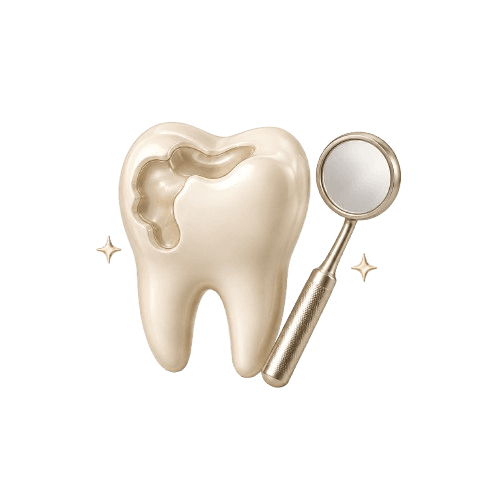
Tooth decay: Cavities can cause sensitivity, particularly when decay reaches deeper parts of a tooth.
Cracked teeth: Small cracks can allow hot, cold, or sweet foods to reach the inner parts of your teeth.
Dental procedures: You may temporarily feel sensitivity after certain treatments, such as whitening or fillings.
What Triggers Tooth Sensitivity?
People with tooth sensitivity may notice discomfort while drinking cold water, eating ice cream, or having hot coffee or tea. Sweet foods, citrus fruits, and acidic beverages can also trigger a fast, sharp twinge.
The discomfort is usually brief. However, if the pain lingers after whatever started it is no longer present, becomes stronger, or affects only one tooth, it may indicate a problem that needs professional attention.
How Can Sensitive Teeth Be Treated?
The best treatment for sensitive teeth depends on what is causing the problem. For mild sensitivity, a dentist may recommend desensitizing toothpaste and changes to your brushing routine. Using a soft-bristled toothbrush and gentle brushing motions can help protect your enamel and your gums.
Reducing frequent exposure to acidic foods and drinks can also help. Good daily oral hygiene is important because healthy gums and clean teeth are less likely to develop problems that contribute to sensitivity.
When sensitivity is caused by decay, a damaged tooth, exposed roots, or significant enamel loss, professional treatment may be required. Depending on the cause, your dentist may recommend fluoride treatment, a filling, or another appropriate procedure.
When Is It Time to Visit a Dentist?
Sensitivity that happens once in a while may not point to a serious problem, but if the discomfort comes back often or gets worse, it shouldn't be ignored. Visit your dentist if the pain is intense, does not go away, affects a specific tooth, or occurs with swelling, visible damage, or pain while biting.
Finding the cause early can help prevent a minor dental issue from turning into something more serious.
FAQ
Common Questions
A sudden change in sensitivity could point to worn enamel, gum recession, cavities, cracks in a tooth, or recent dental work. Only a thorough exam by your dentist can show what's causing it.
Use a soft toothbrush, brush gently, consider desensitizing toothpaste, and limit frequent acidic foods and drinks. See a dentist if sensitivity continues.
Yes. A cavity can cause sensitivity to cold, heat, sweets, or pressure. However, sensitivity can also have other causes.
Yes. What your dentist recommends will vary according to the underlying issue, and could include desensitizing products, fluoride, fillings, or other treatments.
No. If sensitivity keeps returning, it is worth discussing with a dentist. Getting checked sooner rather than later may reveal and help treat the real reason for your discomfort.
Canvas Dental Care
At Canvas Dental Care in Foothill Ranch, we emphasize preventive care to protect both your oral and overall health. Regular dental examinations and professional cleanings can help detect gum disease and other concerns early, before they become more serious.
Call or text (949) 581-4908 to schedule an appointment with Dr. Soha Haghani or Dr. Hamed Bozorgmanesh, and take the next step toward a healthier smile and improved overall wellness.