
Patient Education
What Happens During Your First Dental Visit?
Your first visit is focused on understanding your oral health. Learn what to expect, from registration and medical history to the comprehensive examination and cleaning.
Introduction
Your oral health plays a vital role in your overall well-being, and scheduling regular dental check-ups is one of the best ways to keep your teeth and gums healthy. If you're visiting a dentist for the first time, it's completely normal to feel a little nervous or uncertain about what to expect.
Many people assume that a first dental appointment involves extensive dental procedures. In reality, the initial visit is primarily focused on understanding your oral health, discussing your concerns, and performing a comprehensive examination. It gives your dentist an opportunity to assess your dental condition and create a personalized treatment plan based on your individual needs.
Whether you're attending a routine dental check-up or returning to the dentist after several years, knowing what happens during your first visit can help you feel more comfortable and confident throughout the appointment.
Registration and Medical History Review
When you arrive at the dental office, you'll be welcomed by the reception team and asked to complete a patient registration form. This information helps your dentist understand your overall health and provide safe, personalized dental care.
You may be asked to provide details such as: your general medical history; current medications and supplements; any allergies to medicines or materials; previous dental treatments or surgeries; existing medical conditions; and your dental insurance information (if applicable).
Providing accurate information is important because certain medical conditions and medications can influence the type of dental treatment you receive. Taking a few extra minutes to complete these forms carefully helps your dental team deliver the most appropriate care.
A Discussion with Your Dentist
Before beginning the examination, your dentist will spend some time getting to know you and understanding your oral health concerns. This conversation is an important part of your first visit, as it helps identify any symptoms or issues that may require further attention.
You should feel comfortable discussing any concerns, including: tooth pain or discomfort; bleeding gums; tooth sensitivity; difficulty chewing; persistent bad breath; jaw pain or clicking; previous dental experiences; and anxiety about dental treatment.
Your dentist may also ask questions such as: Have you experienced any tooth pain or sensitivity recently? Do your gums bleed when brushing or flossing? Have you noticed swelling, loose teeth, or bad breath? Do you experience discomfort while chewing? Do hot or cold foods cause tooth sensitivity? Is there anything that makes you anxious about dental treatment?
Answering these questions honestly allows your dentist to better understand your oral health and recommend the most suitable treatment options. The more information you provide, the more personalized your care will be.
Comprehensive Oral Examination
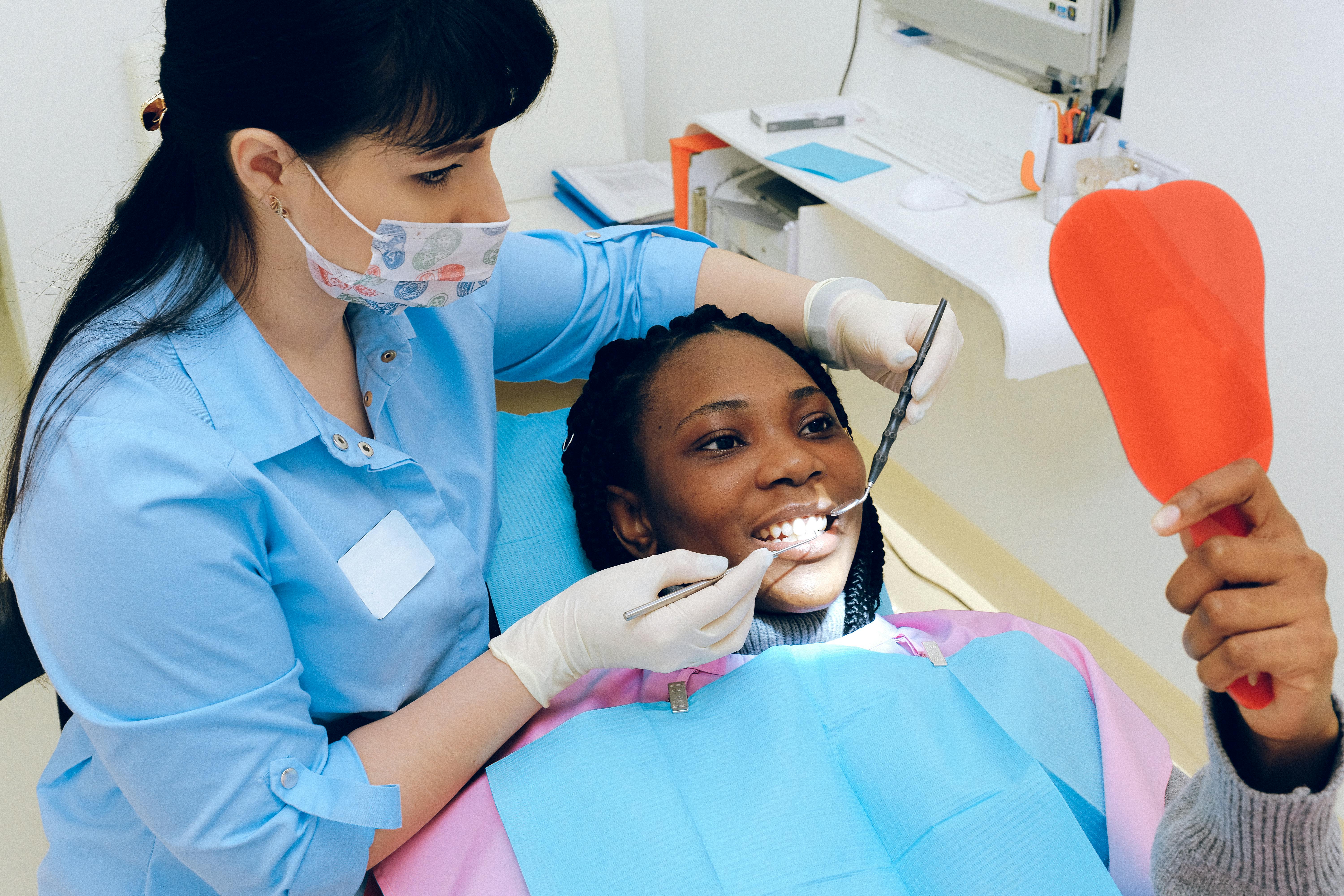
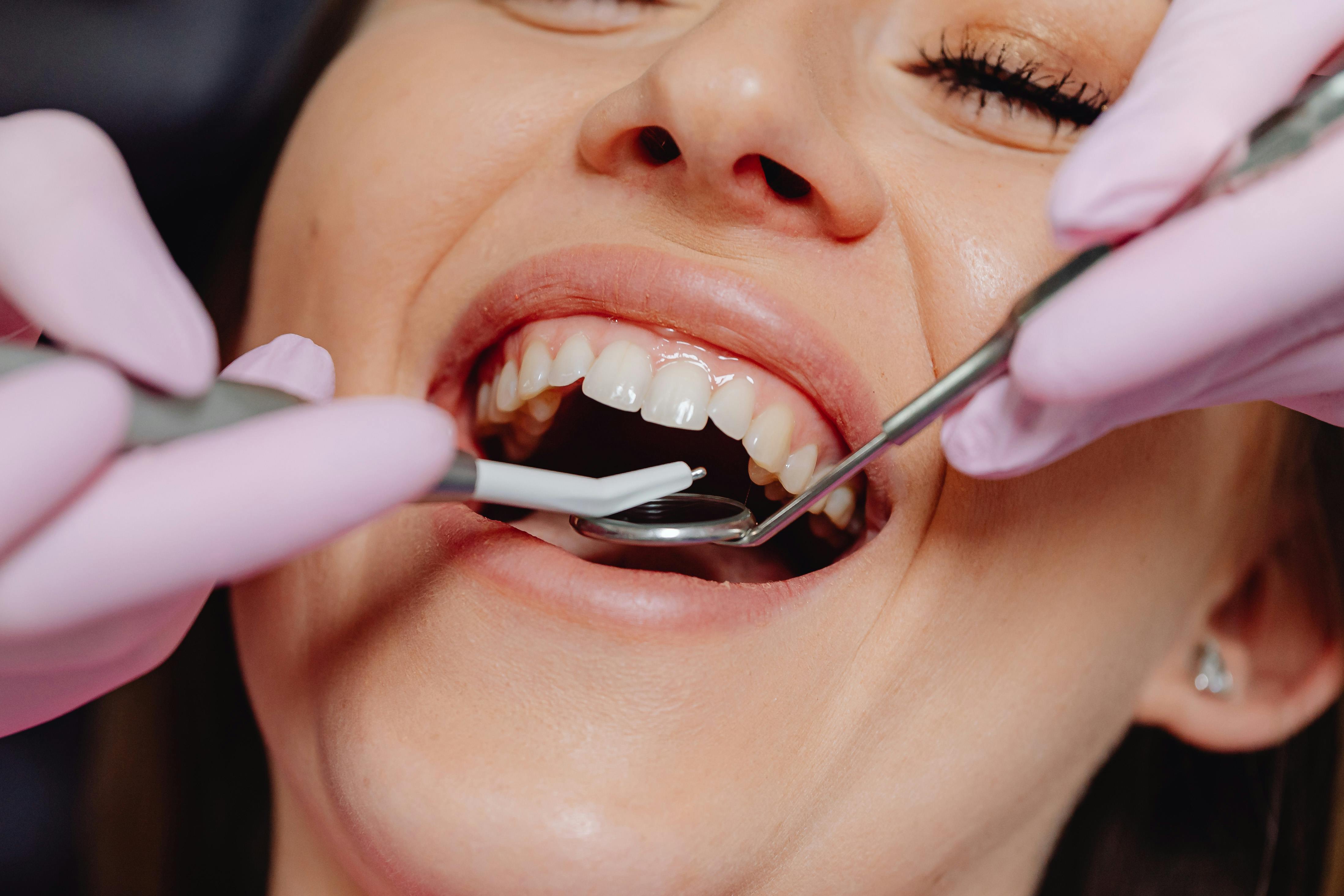
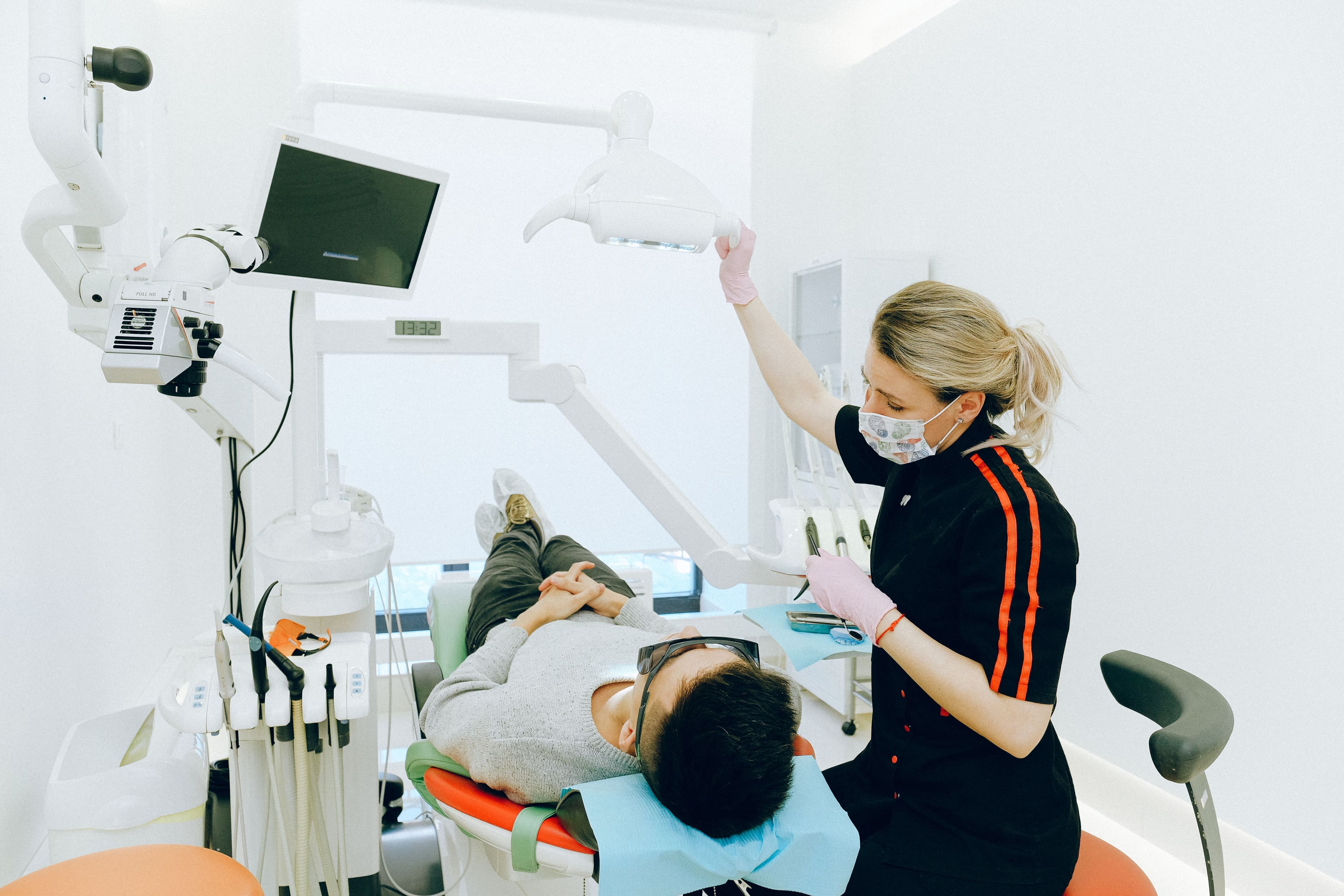
The comprehensive oral examination is one of the most important parts of your first dental appointment. During this examination, your dentist carefully evaluates the overall health of your mouth, including your teeth, gums, tongue, jaw, bite, and other soft tissues.
The examination is typically painless and designed to identify potential dental problems before they become more serious.
Your dentist will look for signs of: tooth decay and cavities; gum disease (gingivitis or periodontitis); plaque and tartar buildup; tooth wear, cracks, or fractures; bite alignment and jaw function; oral infections; signs of teeth grinding (bruxism); oral cancer or abnormalities in the soft tissues; and existing dental restorations such as fillings, crowns, or bridges.
This thorough assessment provides a complete picture of your oral health and helps your dentist detect issues at an early stage. Early diagnosis often leads to simpler, less invasive, and more cost-effective treatment.
Dental X-Rays
Dental X-rays are an important part of a comprehensive first visit because they establish a baseline and allow your dentist to evaluate areas that cannot be seen during a clinical examination alone. X-rays can help detect dental conditions such as decay, bone loss, infections, impacted teeth, and other abnormalities that may otherwise go unnoticed.
Dental X-rays help identify: tooth decay between teeth or beneath existing fillings; bone loss caused by gum disease; impacted or unerupted teeth; tooth root infections or abscesses; jawbone abnormalities; developing wisdom teeth; and other hidden dental conditions.
Modern digital dental X-rays use significantly lower levels of radiation than traditional X-rays, and provide important diagnostic information needed for a complete evaluation and appropriate treatment planning. The type and number of X-rays taken will depend on your individual needs and any recent diagnostic images available.
Professional Dental Cleaning
If a routine cleaning is appropriate based on your periodontal health, your first visit may include a professional dental cleaning performed by your dentist or dental hygienist. Even with excellent oral hygiene at home, professional cleaning removes plaque and tartar that cannot be eliminated by brushing and flossing alone.
A routine dental cleaning typically includes: removal of plaque and hardened tartar (calculus); polishing teeth to remove surface stains and create a smooth finish; flossing between the teeth to remove remaining debris; and fluoride treatment, if recommended, to strengthen enamel and help prevent cavities.
If signs of gum disease or excessive tartar buildup are detected, your dentist may recommend a more comprehensive cleaning, such as scaling and root planing. They will explain the procedure, discuss the benefits, and answer any questions before scheduling further treatment.
Reviewing the Findings and Discussing the Next Steps
Once your examination is complete, your dentist will review the findings with you and explain the condition of your oral health in simple, easy-to-understand language.
If your teeth and gums are healthy, your dentist will provide personalized advice on maintaining good oral hygiene and preventing future dental problems.
If treatment is required, your dentist will discuss the available options, which may include: dental fillings for cavities; professional treatment for gum disease; root canal treatment for infected teeth; dental crowns or other restorative procedures; cosmetic dental treatments, if appropriate; orthodontic consultation to correct bite or alignment issues; and follow-up appointments for cleaning or ongoing care.
Your dentist will also explain the recommended treatment plan, estimated costs, expected timeline, and the urgency of each procedure. This ensures you leave your appointment with a clear understanding of your oral health and the next steps in your care.
How Long Does the First Dental Visit Take?
A first dental appointment generally lasts between 45 and 90 minutes, depending on your oral health and the services required.
The length of your visit may vary based on factors such as: completion of patient registration forms; review of your medical and dental history; comprehensive oral examination; dental X-rays, if required; professional cleaning; and discussion of treatment recommendations.
If additional dental concerns are identified, your dentist may recommend scheduling a follow-up appointment for further treatment.
How to Prepare for Your First Dental Appointment
A little preparation can help make your first dental visit smooth and stress-free. Before your appointment, remember to: bring any previous dental records or X-rays, if available; carry a list of your current medications and any known allergies; arrive 10–15 minutes early to complete registration forms; brush and floss your teeth before your appointment; and inform the dental team if you experience dental anxiety or have specific concerns.
Preparing in advance allows your dentist to focus more on your oral health and less on administrative tasks, ensuring you receive the best possible care.
Conclusion
Your first dental visit is an important step toward maintaining lifelong oral health. Rather than focusing solely on treatment, the appointment is designed to assess your overall dental health, identify potential problems early, and create a personalized care plan tailored to your needs.
From reviewing your medical history and performing a comprehensive oral examination to taking X-rays (when necessary) and providing professional cleaning, every part of the visit is aimed at protecting your teeth and gums.
Understanding what to expect can help reduce anxiety and make future dental visits more comfortable. Regular dental check-ups, combined with good oral hygiene at home, are the foundation of a healthy smile and can help prevent more complex dental problems in the future.
FAQ
Common Questions
You’ll usually be required to complete some paperwork during the first visit. This is followed by the dental health discussion. Then comes the actual examination and you might be advised to undergo a few things after the visit.
A routine cleaning may be completed during the first visit if it is appropriate based on the health of your teeth and gums.
Yes. Dental X-rays are generally an important part of a comprehensive first visit because they help establish a baseline and allow the dentist to diagnose conditions that may not be visible during a clinical examination alone. The type and number of X-rays taken will depend on the patient’s individual need and existing records.
A first dental visit typically takes about 45-90 minutes depending on the patient’s needs and the services provided.
Your previous dental records, your medications list, and dental insurance card should be brought. Having such things with you will assist the team and enable them to serve you the best possible way.
Canvas Dental Care
At Canvas Dental Care in Foothill Ranch, we emphasize preventive care to protect both your oral and overall health. Regular dental examinations and professional cleanings can help detect gum disease and other concerns early, before they become more serious.
Call or text (949) 581-4908 to schedule an appointment with Dr. Soha Haghani or Dr. Hamed Bozorgmanesh, and take the next step toward a healthier smile and improved overall wellness.