Emergency Dentistry
Signs You Should See a Dentist Immediately
Learn the warning signs that may need prompt dental attention, including persistent tooth pain, swelling, bleeding gums, broken teeth, and mouth sores.
Introduction
Small aches and pains are sometimes the first signs of poor oral health. A slight toothache, minor gum bleeding, or sensitivity to cold foods may seem minor at first, but many dental problems can get worse quickly when they are left untreated.
What begins as mild discomfort can develop into infection, severe pain, or damage that becomes harder to repair. Recognizing early symptoms is one of the best ways to protect your oral health and avoid more extensive treatment later.
Teeth and gums are essential not only for eating and speaking, but also for everyday comfort and confidence. Prompt dental care can often prevent complications and help preserve long-term oral health.
Persistent Tooth Pain That Does Not Go Away
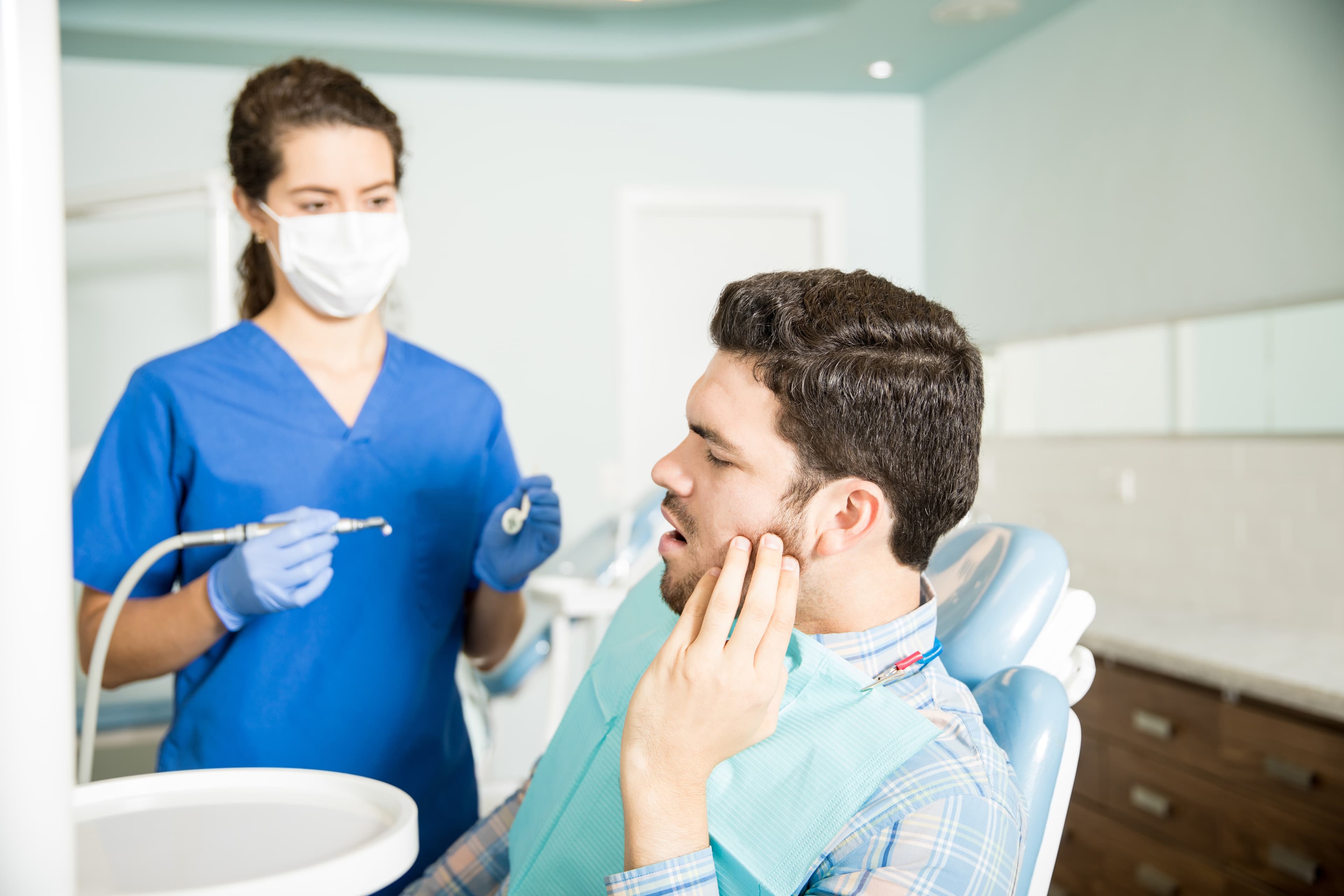
A toothache that lasts longer than a day should not be ignored. Pain may be caused by decay, nerve irritation, or a cracked tooth. Sometimes the discomfort fades for a short time, which can make it seem like the problem has improved even when it is actually getting worse.
Sharp pain while chewing, sensitivity to pressure, or throbbing pain at night are all signs that it is time to see a dentist promptly. Early treatment may help prevent the need for more extensive procedures in the future.
Swollen Gums, Jaw, or Face
Swelling around the mouth or jaw may signal infection, an abscess, or inflammation spreading to nearby tissues. When left untreated, dental infections can spread deeper into the body and lead to more serious complications.
If facial swelling is accompanied by fever, a bad taste in the mouth, or trouble swallowing, dental care should be sought right away. Even mild swelling can worsen quickly, so early evaluation is important.
Bleeding Gums During Brushing or Flossing
Occasional irritation may happen after brushing too hard, but frequent bleeding is not considered normal. Bleeding gums are often one of the first signs of gingivitis or early gum disease.
Redness, tenderness, swelling, and continued bleeding should be evaluated by a dentist. Treating gum disease early may help reverse inflammation and prevent more serious issues such as gum recession or tooth loss.
Broken, Cracked, or Chipped Teeth
Broken, cracked, or chipped teeth should be examined as soon as possible. Even small cracks can allow bacteria to enter the inner layers of the tooth and lead to pain, infection, or a more serious fracture.
A damaged tooth can also make chewing difficult and sharp edges may injure the soft tissues of the mouth. Prompt treatment increases the chances of saving the tooth and may prevent a simple repair from turning into a more complex restoration.
Loose Teeth in Adults
Adult teeth should not feel loose or shift position. Movement in a tooth may be caused by gum disease, trauma, infection, or bone loss.
A loose tooth should never be ignored in the hope that it will improve on its own. Early treatment may allow the tooth to be stabilized and may help address the cause before tooth loss occurs.
Mouth Sores That Do Not Heal
Many mouth sores and ulcers heal on their own within one to two weeks. However, sores that do not heal, grow larger, or change in appearance should be evaluated by a dentist.
Persistent sores may be related to irritation, infection, nutritional deficiencies, or other health concerns. Early examination makes it easier to identify the cause and recommend the right next step.
Constant Bad Breath or Unpleasant Taste
Bad breath after certain foods is common, but a constant unpleasant odor or bad taste that does not go away may be a sign of decay, food buildup, gum disease, or infection.
Mouthwash may only mask the smell temporarily. A dental exam and cleaning can help identify the source of the problem, especially when it is located beneath the gumline or between the teeth.
Sensitivity to Hot and Cold Foods
Sudden sensitivity to hot coffee, tea, ice cream, or cold water may point to enamel loss, tooth decay, gum recession, or a cracked tooth. Without treatment, the discomfort may become more frequent and more intense.
A dental visit can determine whether the sensitivity may be helped by fluoride, remineralization or regenerative peptide treatment, or whether the tooth needs fillings, crowns, or gum care. Persistent sensitivity can also point to nerve irritation or infection.
Conclusion
Dental problems rarely improve without proper care. Pain, swelling, bleeding gums, loose teeth, broken teeth, mouth sores, and sensitivity are all symptoms that deserve attention.
Early dental treatment is often simpler, less painful, and more successful in the long term. Recognizing these warning signs and seeking prompt care can prevent small problems from becoming much more serious.
FAQ
Common Questions
Tooth pain that lasts for more than a day, becomes stronger, or makes eating difficult should not be ignored. Ongoing pain may point to decay, infection, or nerve irritation that can worsen if left untreated.
Mild bleeding can sometimes happen from brushing too hard, but regular bleeding is not normal. It may be an early sign of gum disease and should be checked before the condition gets worse.
A damaged tooth should be evaluated as soon as possible, even if the pain seems minor. Tiny cracks can worsen over time and may lead to infection, chewing problems, or tooth loss.
Swelling in the gums, jaw, or face can be caused by an abscess or a fast-spreading infection. Immediate dental care can relieve pain and help reduce the risk of serious complications.
Persistent or severe sensitivity usually means enamel has worn down, a cavity has formed, or the gums have receded. A dentist can help find the cause and prevent the discomfort from becoming worse.
Most minor sores heal within one to two weeks. If a sore lasts longer, grows larger, or changes in color or appearance, it should be examined by a dental professional.
Yes. Persistent bad breath or an unpleasant taste can be linked to gum disease, bacteria buildup, or tooth decay. Treating the cause is much more effective than only masking the odor.
Canvas Dental Care
At Canvas Dental Care in Foothill Ranch, we emphasize preventive care to protect both your oral and overall health. Regular dental examinations and professional cleanings can help detect gum disease and other concerns early, before they become more serious.
Call or text (949) 581-4908 to schedule an appointment with Dr. Soha Haghani or Dr. Hamed Bozorgmanesh, and take the next step toward a healthier smile and improved overall wellness.