
Wellness
How Oral Health Affects Your Overall Health
Your teeth and gums influence far more than your smile. Learn how oral health connects to heart health, diabetes, pregnancy, and overall wellness.
Introduction
Most people associate oral health only with the condition of their teeth and gums. In reality, oral health contributes to overall wellness in a much bigger way. The mouth is the entry point for both the digestive and respiratory systems, so bacteria and infection in the oral cavity can influence other parts of the body as well.
Consistent oral hygiene is one of the best ways to keep harmful bacteria under control. When teeth and gums are neglected, bacteria can grow quickly and contribute to tooth decay and gum disease. Those same conditions may also affect general health, which is why healthy teeth and gums remain one of the most important parts of preventive care.
Understanding the relationship between oral and general health helps explain why routine dental visits and proper home care matter so much.
The Mouth as the Body's Entrance
The human mouth contains thousands of types of microorganisms. Most are harmless when a patient maintains a strong hygiene routine. Brushing twice a day and flossing daily help keep bacteria levels lower and reduce plaque buildup.
Without that routine, a sticky deposit called plaque can collect on the surfaces of the teeth. If plaque remains in place, it can harden into tartar and contribute to gum inflammation. Over time, that can progress into periodontitis when gum disease is left uncontrolled.
Gum disease is a serious health concern. Common symptoms include red, swollen, tender, or bleeding gums. If periodontitis is ignored for a long time, it may weaken the tissues and bone that support the teeth. Bacteria from infected gums can also enter the bloodstream and trigger inflammation elsewhere in the body.
Oral Health and Heart Health
Research suggests there may be an association between gum disease and cardiovascular conditions. Inflammation related to gum disease may affect blood vessels and contribute to a higher risk of heart problems.
Gum disease does not automatically mean someone will develop heart disease. Still, the combination of chronic inflammation and harmful oral bacteria may increase risk, which makes gum care an important part of whole-body wellness.
The Relationship Between Oral Health and Diabetes
Oral health has major implications for people living with diabetes. Elevated blood sugar can weaken the body's response to infection, making patients more vulnerable to gum disease and other oral concerns.
The relationship also works in reverse. Severe gum disease may make diabetes more difficult to manage. Because of that two-way connection, regular dental visits can play a helpful role in reducing health risks.
Impact on Respiratory Health
In some situations, harmful oral bacteria may contribute to lung-related illness. Bacteria from the mouth can be inhaled into the lungs, which may lead to respiratory infections such as pneumonia.
Routine cleanings, dental checkups, and thorough brushing and flossing habits can help reduce the bacterial load in the mouth and support better respiratory health.
Oral Health During Pregnancy
Hormonal changes during pregnancy can make gums more sensitive and more likely to become inflamed. This is sometimes called pregnancy gingivitis and can raise the risk of gum disease.
Some studies suggest that severe gum infection may be linked to premature birth or low birth weight. Along with home care, routine dental visits during pregnancy can help lower these risks and support the health of both mother and baby.
The Importance of Preventive Dental Care
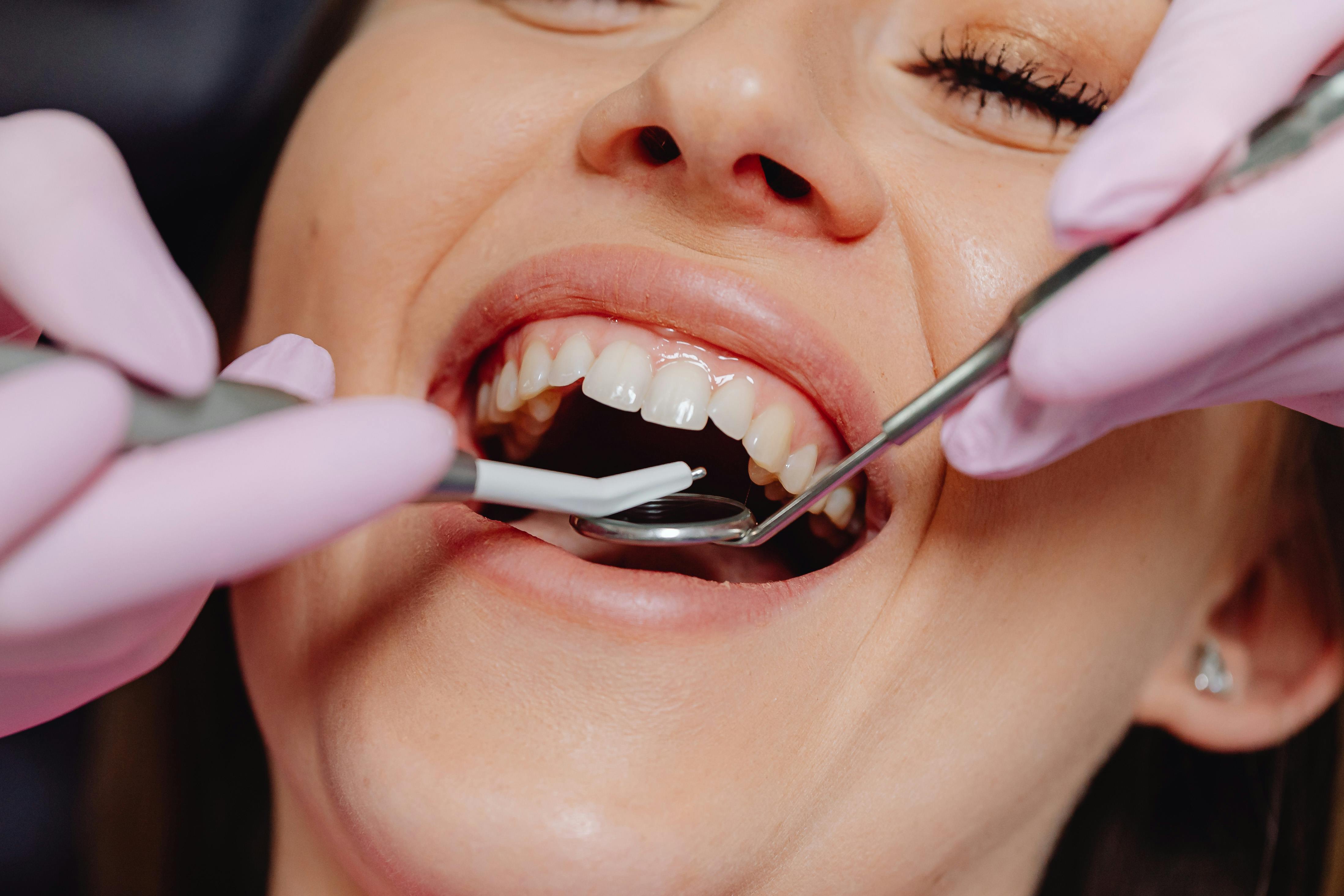
Preventive dental care protects both oral health and overall health. Even with daily brushing and flossing, it can be difficult to fully remove plaque and monitor subtle changes in the mouth.
Professional cleanings help remove buildup, while regular exams allow dentists to identify cavities, gum concerns, and other issues early. Nutrition matters too. Limiting sugary foods and drinks and maintaining a balanced diet support stronger teeth and healthier oral tissues.
Conclusion
Oral health goes beyond the appearance of a smile. Teeth and gums help with eating and speaking, but they also act as a barrier against infection and inflammation. When oral hygiene is neglected, dental disease may contribute to broader health concerns such as heart disease, diabetes complications, respiratory infections, and pregnancy-related risks.
Following a strong oral hygiene routine, visiting the dentist regularly, and maintaining a balanced lifestyle all support a healthier mouth and a healthier body. A healthy smile is an important part of total wellness.
FAQ
Common Questions
Oral health is much more than teeth whitening. It is a big part of whole-body health. The mouth is a main entry point for bacteria, and when harmful bacteria spread, they may contribute to problems affecting the heart, lungs, or blood sugar levels.
Yes. Gum disease causes ongoing inflammation, and inflammatory byproducts may travel through blood vessels and increase the risk of heart-related concerns. Taking care of your gums can help support better overall cardiovascular health.
People with diabetes are more vulnerable to gum infections because high blood sugar can weaken the body's immune response. At the same time, gum disease can make blood sugar harder to control, creating a cycle that good oral hygiene and professional dental care can help break.
In some cases, yes. Harmful oral bacteria can be inhaled into the lungs and may contribute to respiratory infections such as pneumonia, especially for people with weakened immune systems. Good oral hygiene habits can help reduce this risk.
Yes. Pregnancy hormones can make the gums more sensitive and more likely to become inflamed or infected. Maintaining good oral health during pregnancy, including regular dental visits, supports both the mother and the baby.
A simple and consistent oral hygiene routine is one of the best ways to keep teeth healthy. Brush twice a day, floss daily, limit sugary foods and drinks, and visit your dentist regularly for checkups and cleanings. These habits help prevent cavities, gum disease, and other oral health concerns.
Canvas Dental Care
At Canvas Dental Care in Foothill Ranch, we emphasize preventive care to protect both your oral and overall health. Regular dental examinations and professional cleanings can help detect gum disease and other concerns early, before they become more serious.
Call or text (949) 581-4908 to schedule an appointment with Dr. Soha Haghani or Dr. Hamed Bozorgmanesh, and take the next step toward a healthier smile and improved overall wellness.