
Oral Health
Common Causes of Bad Breath and How to Treat It
Persistent bad breath can be linked to oral hygiene, dry mouth, gum disease, smoking, food choices, and certain medical conditions.
Introduction
Bad breath, also called halitosis, is one of the most common oral health concerns people experience. When it happens only after eating certain foods, it is usually temporary and not a major concern. But when bad breath continues, it may point to poor oral hygiene, lifestyle habits, or an underlying health issue.
Persistent bad breath can affect confidence, social interactions, and day-to-day comfort. In many cases, the odor comes from bacteria in the mouth breaking down food particles and releasing odor-causing compounds.
Poor oral hygiene, dry mouth, gum disease, smoking, and certain foods can make the problem worse. In some situations, ongoing bad breath may also be linked to medical conditions. Understanding the cause is an important first step toward treating it effectively.
Poor Oral Hygiene
One of the most common causes of bad breath is inadequate oral hygiene. Food particles can become trapped between the teeth, along the gumline, and on the surface of the tongue. Bacteria naturally present in the mouth break down this leftover debris and may create an unpleasant odor.
When food particles are not removed, plaque can begin to build on the teeth and gums, making bad breath worse. Brushing twice a day, flossing daily, and cleaning the tongue are some of the most effective ways to reduce odor-causing bacteria and improve breath freshness.
Regular dental checkups and professional cleanings also help remove buildup that routine home care may miss.
Dry Mouth
Saliva plays an important role in washing away food particles and bacteria that contribute to bad breath. When saliva production decreases, bacteria can build up more easily and lead to dry mouth, also called xerostomia.
Dry mouth may result from dehydration, certain medications, mouth breathing, or even long periods of talking. Staying hydrated throughout the day can help support saliva production.
Sugar-free gum may also stimulate saliva flow, while reducing caffeine and alcohol can help ease dry mouth symptoms for some people.
Certain Foods
Foods with strong odors, such as garlic, onions, and certain spices, can temporarily cause bad breath. After digestion, sulfur compounds from these foods can enter the bloodstream, travel to the lungs, and be released through breathing.
This type of odor is usually temporary and fades as the body finishes processing those compounds. Good oral hygiene after meals and drinking water can help reduce lingering odors.
Fresh fruits and vegetables may also help freshen the mouth naturally.
Gum Disease
Gum disease develops when plaque accumulates along the gumline. The bacteria involved can cause gums to become red, inflamed, and more likely to bleed. These same bacteria may also produce unpleasant odors that contribute to bad breath.
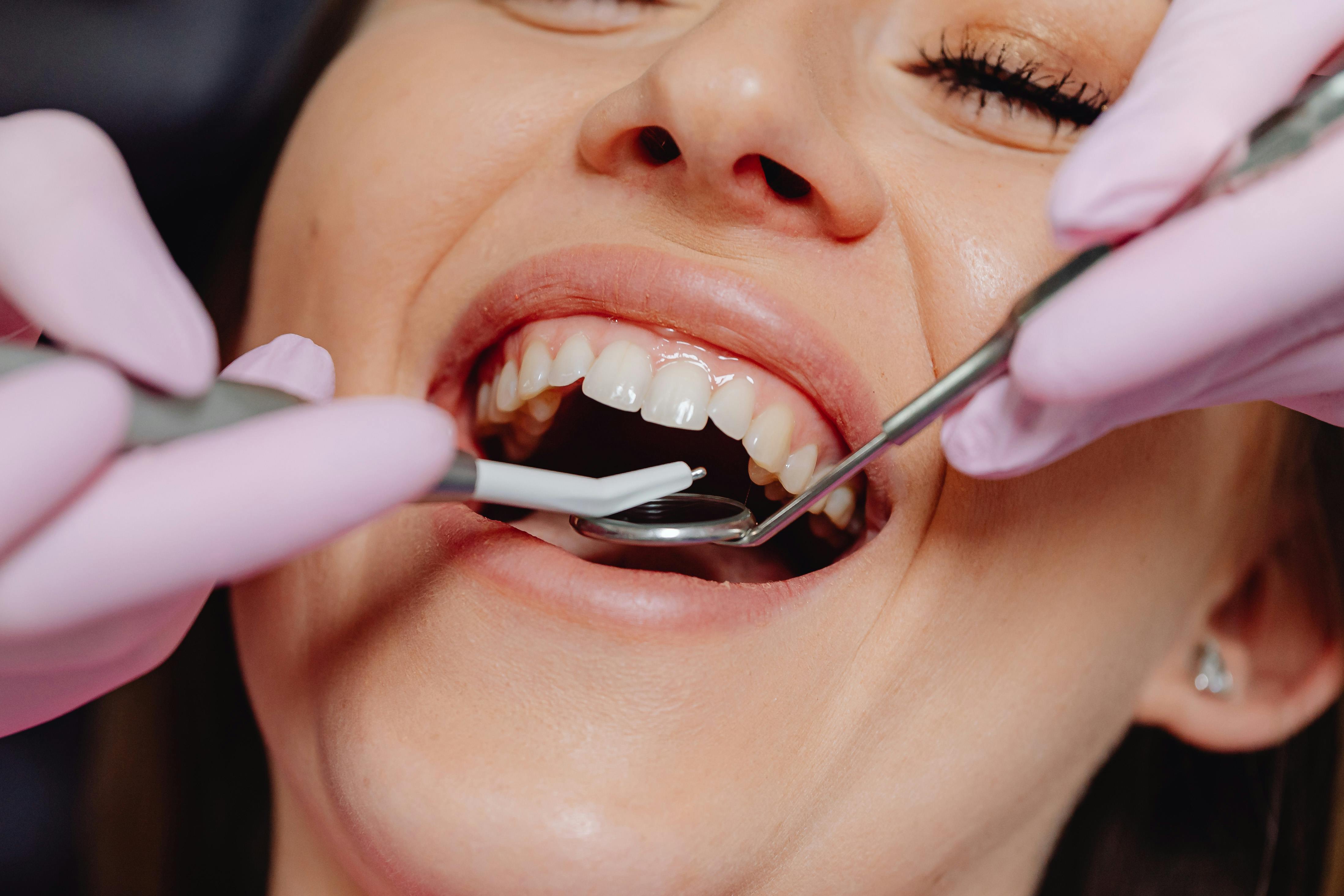
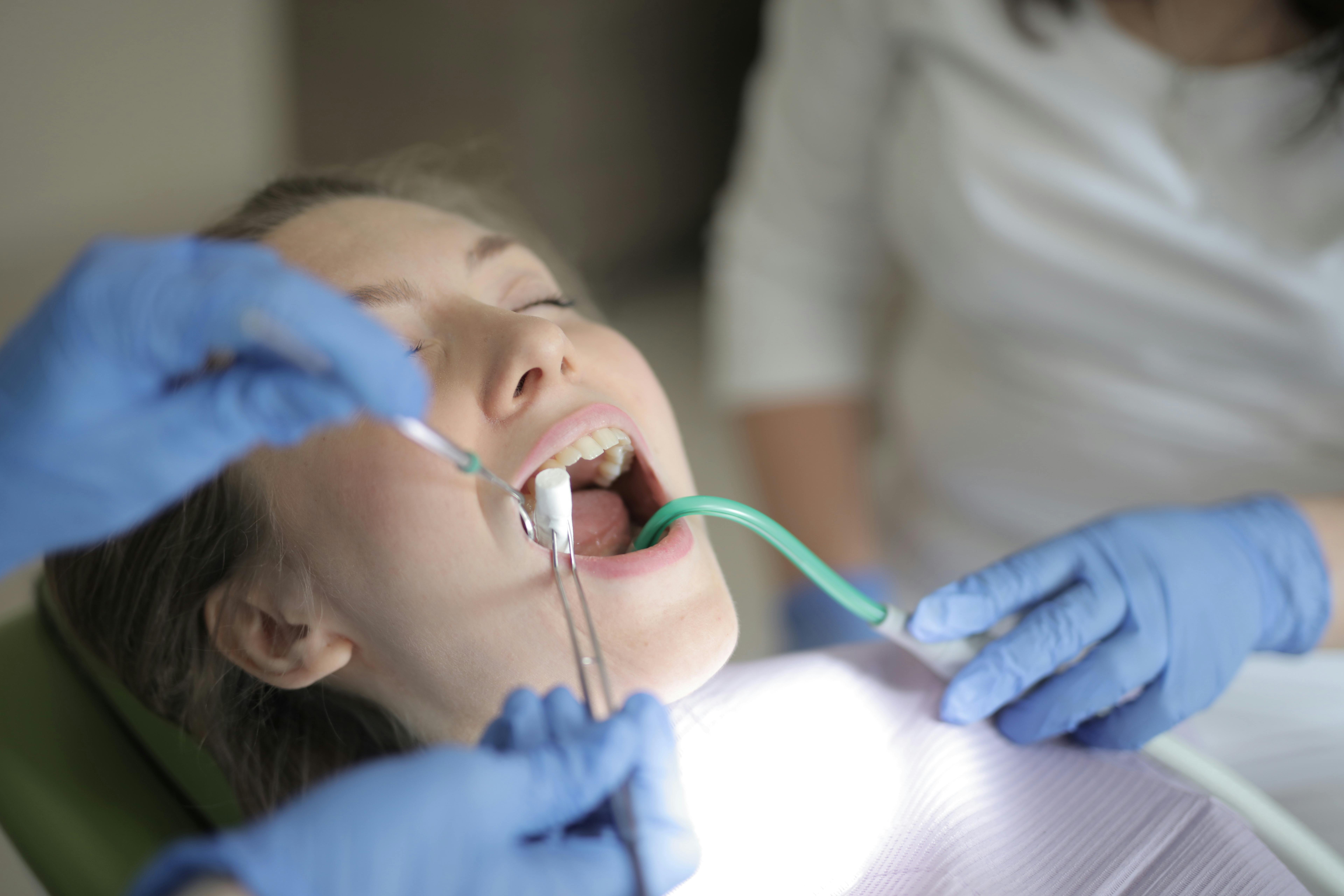
Professional dental cleanings are important because they remove plaque and tartar that brushing alone cannot reach. Combined with good daily oral care, regular dental visits can help keep gum disease under control and reduce bad breath caused by infection and inflammation.
Smoking and Tobacco Use
Tobacco use can significantly increase bad breath. Chemicals from cigarettes and other tobacco products can linger in the mouth and lungs, leaving behind a strong odor.
Smoking can also dry out the mouth and increase the risk of gum disease, both of which make bad breath worse. Reducing or quitting tobacco can improve both breath freshness and overall health.
Medical Conditions
Sometimes bad breath is related to medical conditions rather than oral hygiene alone. Sinus infections, respiratory infections, acid reflux, and certain digestive disorders may all contribute to unpleasant breath odor.
If bad breath continues even after improving home care and receiving a dental cleaning, it may be time to speak with a physician or healthcare provider. Treating the underlying condition often helps improve persistent halitosis.
Practical Ways to Maintain Fresh Breath
A few simple daily habits can go a long way toward keeping your breath fresh. Brush your teeth at least twice a day, floss daily, and clean your tongue to remove odor-causing bacteria.
Drink water throughout the day to help keep your mouth moist, and try to limit smoking and foods that commonly trigger bad breath. Regular dental visits for cleanings and examinations remain one of the best ways to prevent ongoing odor and maintain oral health.
Conclusion
Bad breath is a common issue that can affect people of all ages. Poor oral hygiene, dry mouth, strongly scented foods, gum disease, smoking, and some medical conditions can all play a role.
With good home care habits, healthy lifestyle choices, and regular dental checkups, many causes of bad breath can be controlled successfully. Persistent bad breath should not be ignored, especially when professional evaluation may help identify the underlying cause.
FAQ
Common Questions
Bacteria in the mouth break down leftover food particles and release odor-causing compounds, which are one of the main reasons bad breath develops.
Yes. When brushing and flossing are not done regularly, food residue and plaque remain in the mouth. This allows odor-causing bacteria to grow and increases the risk of bad breath.
Yes. Saliva helps clean the mouth by washing away bacteria and food particles. When saliva production decreases, bacteria can build up more easily and contribute to bad breath.
Yes. Foods such as garlic, onions, and certain spices can temporarily cause bad breath. After digestion, odor-causing compounds may enter the bloodstream, reach the lungs, and be released through breathing.
Yes. Bacteria associated with gum disease and gum infections can produce unpleasant odors that contribute to bad breath.
Yes. Smoking introduces harmful chemicals into the mouth, dries the mouth out, and increases the risk of gum disease, all of which can contribute to bad breath.
If bad breath continues despite good oral hygiene, it may be a sign of an underlying dental or medical condition. A dentist or healthcare provider can help identify the cause and recommend the right treatment.
Canvas Dental Care
At Canvas Dental Care in Foothill Ranch, we emphasize preventive care to protect both your oral and overall health. Regular dental examinations and professional cleanings can help detect gum disease and other concerns early, before they become more serious.
Call or text (949) 581-4908 to schedule an appointment with Dr. Soha Haghani or Dr. Hamed Bozorgmanesh, and take the next step toward a healthier smile and improved overall wellness.