Preventive Care
How to Maintain Healthy Teeth Between Dental Visits
Learn simple daily habits that help keep teeth and gums healthy between dental visits, from proper brushing and flossing to food choices and home care routines.
Introduction
Regular dental visits are important, but healthy teeth and gums also depend on what happens at home between appointments. Professional cleanings and exams cannot be skipped, but daily oral hygiene habits play an equally important role in preventing plaque buildup, cavities, gum problems, and bad breath.
A thorough home care routine helps protect enamel, supports healthier gums, and lowers the risk of dental disease. Consistent daily habits are one of the best ways to maintain long-term oral health between visits to the dentist.
Brush Properly Twice a Day
Brushing is one of the foundations of good oral health. Brushing twice a day with fluoride toothpaste helps reinforce enamel and makes teeth more resistant to cavity-causing bacteria.
A soft-bristled toothbrush is usually the best choice because it can clean effectively without irritating the gums or wearing enamel unnecessarily. Electric toothbrushes may also help reduce plaque and tartar buildup for many patients.
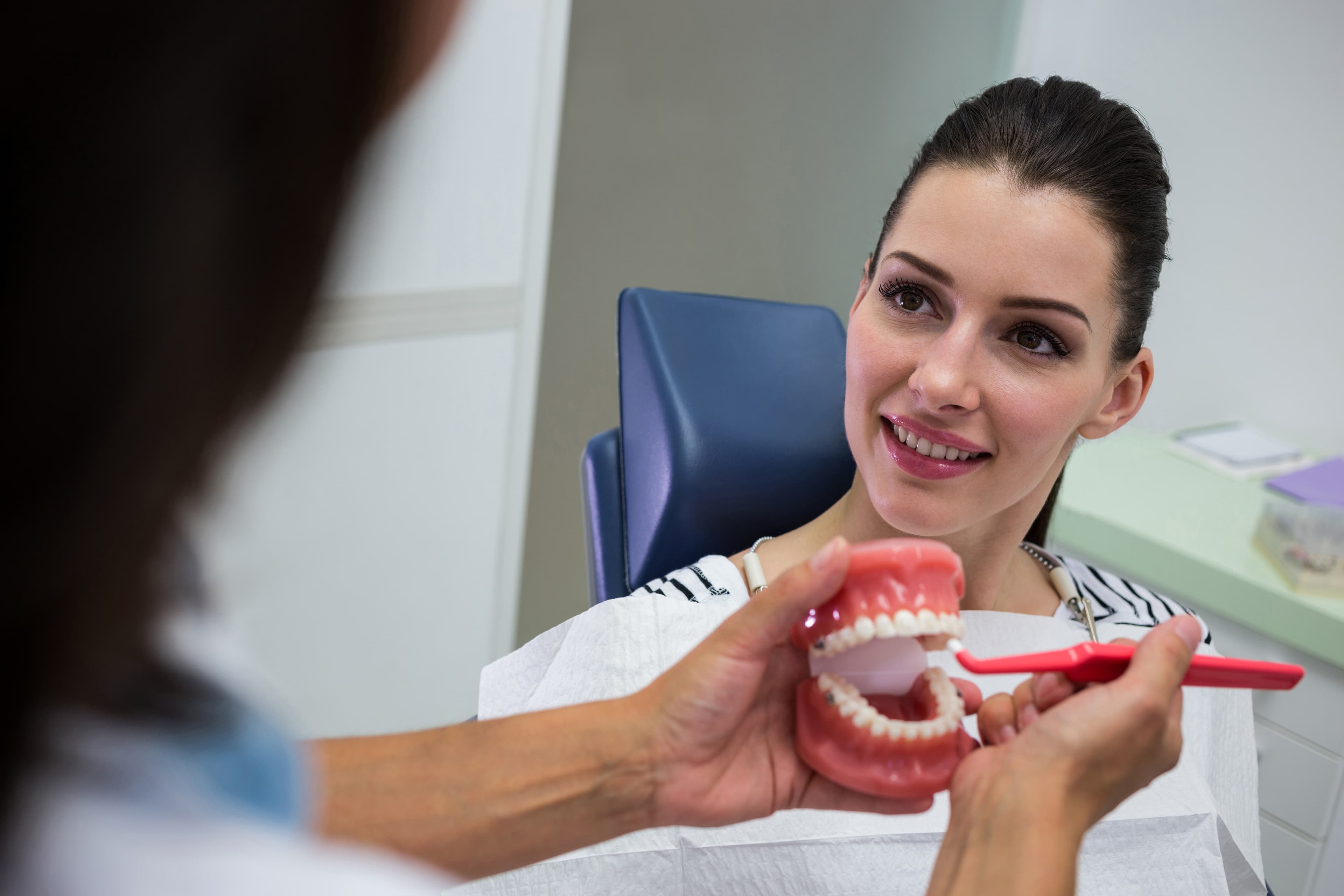
Each brushing session should last at least two minutes and cover all tooth surfaces, including back molars and the gumline. Light circular motions work well, and toothbrushes or brush heads should be replaced about every three months.
Floss Daily for Better Gum Health
A toothbrush cannot fully reach between the teeth, which is why flossing is so important. Daily flossing helps remove plaque and trapped food from tight spaces where cavities and gum irritation often begin.
Regular flossing can help reduce bleeding gums, gum inflammation, and cavities between the teeth. Traditional string floss remains one of the most effective ways to clean between teeth and below the gumline.
Water flossers can be a helpful additional tool for plaque control and gum care, but they should support flossing rather than completely replace it.
Use Mouthwash as Added Protection
Antibacterial or oxygen-powered mouthwashes can be a useful addition to a home care routine. They may help reduce bacteria, freshen breath, and reach areas brushing may miss.
Mouthwash should be used as an added layer of protection, not as a replacement for brushing and flossing. Alcohol-free rinses may be a better option for patients with dry mouth or oral sensitivity.
Chewing sugar-free gum may also help stimulate saliva flow and support a healthier oral environment.
Choose Foods That Support Healthy Teeth
Diet has a strong influence on oral health. Nutrients such as calcium, phosphorus, and vitamins help support strong teeth and healthy gums. Dairy products, leafy greens, nuts, eggs, and crunchy fruits and vegetables can all support oral health naturally.
On the other hand, frequent sugary snacks and acidic drinks can weaken enamel and encourage harmful bacteria. Reducing soft drinks, candy, and sticky processed foods can help protect teeth over time.
Drinking water throughout the day also helps rinse away food particles, refresh the mouth, and support saliva production.
Avoid Harmful Habits
Certain habits can damage teeth over time. Nail biting, chewing ice, smoking, tobacco use, and frequent sugary snacking may contribute to fractures, staining, gum disease, and enamel wear.
Teeth grinding can also create long-term problems. If jaw discomfort, clenching, or worn teeth are becoming noticeable, a dental visit may help identify the cause and determine whether a custom night guard or other treatment is appropriate.
At Canvas Dental Care, Dr. Soha Haghani has advanced training in TMJ and myofascial pain evaluation and treatment. Care may include night guards, stress-relieving therapies, and BOTOX injections for selected cases involving jaw tension, clenching, and related discomfort.
Watch for Early Warning Signs
Many dental problems begin quietly. Sensitivity to hot or cold foods, gum bleeding, persistent bad breath, or tooth pain may all be early signs of decay, gum disease, or other concerns.
Seeing a dentist early can often stop the problem before it becomes more serious, more uncomfortable, or more expensive to treat.
Maintain a Consistent Routine
Most dental problems develop gradually when oral hygiene habits become inconsistent. A strong daily routine should include brushing in the morning, brushing again before bed, flossing every day, limiting sugary snacks, drinking water often, and replacing toothbrushes or brush heads on schedule.
Small habits done consistently are often what make the biggest difference in keeping teeth and gums healthy between cleanings.
Conclusion
Knowing how to care for your teeth between dental visits plays a major role in long-term oral health. Proper brushing, daily flossing, healthy food choices, and avoiding damaging habits all contribute to a healthier smile.
When regular dental visits are combined with consistent home care, it becomes much easier to prevent more serious dental problems in the future and maintain a clean, healthy smile year-round.
FAQ
Common Questions
Brush at least twice a day with fluoride toothpaste, floss daily, drink plenty of water, and limit sugary snacks and beverages. A strong daily routine helps reduce plaque buildup and lowers the risk of cavities between dental visits.
Yes. Brushing in the morning and before bed helps remove food particles, reduce bacteria, and lower the risk of cavities, gum irritation, and bad breath over time.
A toothbrush cannot fully clean the spaces between teeth. Daily flossing helps remove plaque and trapped food from those areas, supports healthier gums, and reduces the risk of cavities between teeth.
Foods rich in calcium, phosphorus, and vitamins can support strong teeth and healthy gums. Good examples include dairy, leafy green vegetables, nuts, eggs, and crunchy fruits and vegetables.
Tobacco use, chewing ice, nail biting, frequent sugary snacking, and uncontrolled teeth grinding can all damage enamel, gums, and tooth structure over time.
If you experience persistent tooth pain, gum bleeding, facial swelling, strong sensitivity, or ongoing bad breath, it is best to see a dentist promptly. Early treatment is often simpler, less invasive, and more cost-effective.
Canvas Dental Care
At Canvas Dental Care in Foothill Ranch, we emphasize preventive care to protect both your oral and overall health. Regular dental examinations and professional cleanings can help detect gum disease and other concerns early, before they become more serious.
Call or text (949) 581-4908 to schedule an appointment with Dr. Soha Haghani or Dr. Hamed Bozorgmanesh, and take the next step toward a healthier smile and improved overall wellness.